Call Us 919-240-4054
Brain injuries often result in significant medical costs, lost earnings, and mental health issues. When someone else caused the incident that led to you or your loved one’s brain injury, you may be entitled to compensation for costs and damages linked to your injuries with the help of a personal injury lawyer.

Working with an attorney immediately after the incident can be invaluable to your recovery. An experienced Charlotte brain injury lawyer from Johnson & Groninger PLLC is prepared to review your case and assemble the best possible claim or case on your behalf. Call (704) 200-2009 now to schedule your consultation.
What is a traumatic brain injury?
The CDC defines traumatic brain injury as simply “an injury that affects how the brain works.” A brain injury is caused in basic terms by a bump, blow, or jolt to the head or a penetrating injury to the head, as discussed in greater detail below.
Primary injury
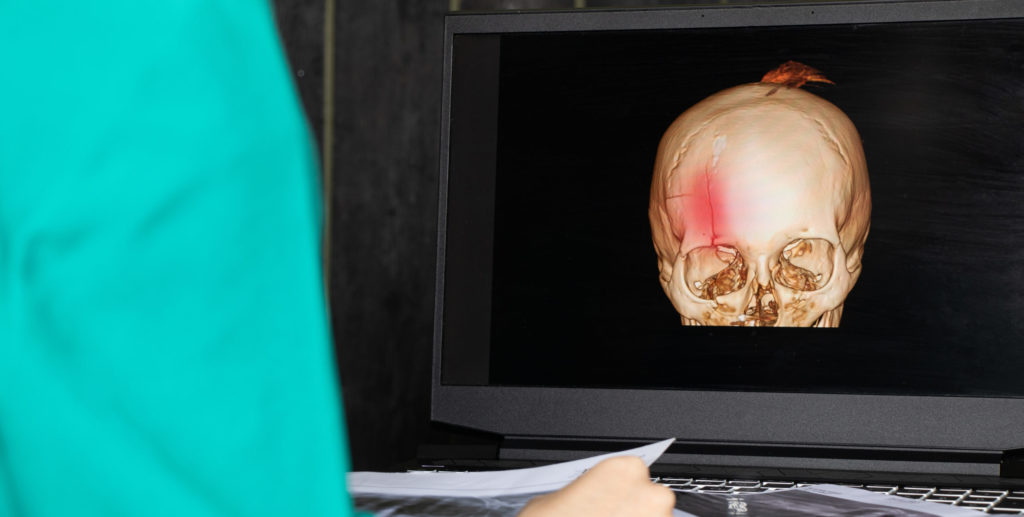
The primary injury is the sudden and profound injury to the brain. It is generally considered to be complete at the time of the initial impact, whether at the time of the gunshot, fall, crash, or bicycle or car crash.
These injuries include:
- Contusions – A contusion is a bruise to the brain itself and is generally caused by the impact of the brain on the inside of the cranium at the moment of impact in the crash.
- Epidural or subdural hematoma is a bruise between your skull and the brain’s outermost layer. These kinds of injuries can be challenging to identify as they may not be evident after the first or a single blow to the head.
- Diffuse axonal injury is an injury to the long connecting nerve fibers, the axons, that occurs when the brain shifts and rotates inside the bony skull.
Secondary injury
Secondary brain injury refers to the changes experienced in the brain in the hours to days following the primary brain injury, covering the entire series of steps or stages of cellular, tissue, chemical, or blood vessel changes in the brain.
These changes can contribute to further brain damage, including:
- Intracranial hypertension – this is a build-up of pressure in the skull around the brain and can happen suddenly with the primary brain injury or develop over time after that.
- Neuronal damage – is the earth of neurons and glial cells and the destruction of connections between them. This can impact brain regions responsible for movement, talking, and other vital functions.
What are potential damages you could claim for a TBI?
The costs associated with a TBI will vary depending on the severity of the injury. If someone else caused your brain injury, you may be able to claim compensation for the following expenses.
Medical expenses
Your compensation may include coverage for your brain injury’s short- and long-term medical expenses. This includes not only the emergency room treatment after the crash but any long-term treatments, surgeries, rehabilitation, medication, mental health services, or other healthcare costs you might need due to your brain injury.
You can only collect compensation for damages that you can prove with evidence, and future medical expenses are established through follow-ups with medical experts.
Lost wages and loss of future income
Your brain injury claim is meant to cover all costs linked to your injury, including short-term lost wages and work benefits and any adverse change in your earnings potential in the long term. When you miss work and accrued benefits like sick time and vacation days, your compensation should include this value.
Suppose your brain injury limits your ability to work and support yourself and your family in the long term. In that case, any changes in your ability to work from the time of the crash through the remainder of your working life might be available through compensation.
Emotional or psychological distress
Courts recognize that serious accidents that result in brain injuries can cause substantial emotional and psychological distress. This distress is recognized as a legitimate injury and can lead to significant medical costs through associated psychological and psychiatric care to address the symptoms of the distress. If these injuries exist, they will be included in the damages we seek for you.

Loss of quality or enjoyment of life
The permanent chemical changes to the brain as a result of a brain injury can be far-reaching and impact all areas of the victim’s life. Even a brain injury commonly referred to as a concussion can lead to permanent changes in personality, including an increase in levels of irritability and a decrease in the ability to concentrate.
When your brain injury decreases your ability to enjoy your life as before, you are entitled to compensation to cover the value of these losses. Calculating these amounts can be difficult and requires a deep understanding of prior outcomes in similar cases, the culture of the jurisdiction in which the brain injury occurred, and other factors.
Permanent disability and disfigurement
Moderate and severe brain injuries can lead to permanent disabilities, including disfigurement. Permanent disabilities can impact your ability to work. They could also lead to the necessity of in-home care, ongoing surgeries, or other treatments to address the symptoms of the injury.
It’s essential to accurately measure your injuries’ costs and future impact before accepting a settlement to ensure that you and your family are not left covering the bills and associated costs. Our attorneys regularly work with life care planners, doctors, and other experts who put together plans and costs for future care. Call Johnson & Groninger at (704) 200-2009 for more information.
Traumatic brain injuries (TBI) were the cause of 2,108 deaths, 7,264 hospitalizations, and 27,470 emergency department visits in North Carolina in 2019 alone. |
What is liability in brain injury cases?
Common causes of brain injuries include:
- Auto, bicycle, and pedestrian crashes
- Trip and falls
- Height-based falls
- Other impact injuries (assaults, gunshot wounds, and sports injuries)
When another person or company, by their carelessness, causes a person to suffer a brain injury, that person or company will generally be liable (responsible) for the associated damages. Liability for your brain injury will depend on how the unique facts and circumstances of your injury apply to a few legal concepts, including negligence.
Your experienced personal injury attorney will apply the facts of your case to the four parts of the legal concept of negligence: duty, breach, causation, and damages.
For example, if your brain injury was caused by a car crash where the other driver was driving while intoxicated, the other driver will be liable if they caused the crash that led to your injuries. The driver had a duty to follow the law – including driving sober – and since they broke that duty and caused the crash, which resulted in your injuries, you should receive compensation for those damages.
What are the symptoms of TBI?
- Loss of consciousness, or a decrease of consciousness
- Loss of memory for the events before or after the injury
- Nausea or headaches
- Neurological impacts and deficits like loss of vision, dizziness, change in speech, and muscle weakness
- Alteration of mental state, including slow thinking, difficulty concentrating, or disorientation

Specific symptoms vary depending on the individual and the injury itself. However, experiencing any of these symptoms after a crash requires that the victim seek out immediate emergency medical care, as the brain injury could be life-threatening. The sooner care is aligned, the better the potential to treat the injuries and related symptoms most effectively.
Long-term effects
In the long term, the impact of a brain injury can be permanent and far-reaching. Brain chemistry can be permanently changed, impacting brain function and personality. The treatment options will vary after the initial emergency care and surgeries.
In 2020, there were approximately 223,135 TBI-related hospitalizations and 64,362 TBI-related deaths (an average of 176 per day), excluding the many TBIs that were untreated or were only treated in the emergency department and other medical clinics. |
What are treatment options?
Treatment for brain injury depends on the severity of the injury. Surgery may be required to remove immediate symptoms of brain injury like a contusion or hematoma that is creating pressure on the brain.
After surgery, observation in the intensive care unit (ICU) is essential. For other patients, the need for surgery and other measures may not emerge for many hours or even days after the crash. In the long term, monitoring will be essential, with the potential of additional surgeries and care to maintain brain health.
Resources for Brain Injury Survivors in North Carolina
There are many resources in North Carolina for victims of brain injuries and their families to consider for support and information.
Brain Injury Association of North Carolina’s Regional Resource Centers
The Brain Injury Association of North Carolina is an organization that provides support groups for persons with brain injuries and their families to help with managing the injury and its implications. The BIANC has regional resource centers in:
- Asheville
- Charlotte
- Greenville
- Raleigh
- Winston-Salem
Rehabilitation centers
There are dozens of North Carolina brain injury rehabilitation centers, viewable through the preceding link, including Carepartners Health Health Services of Asheville, Neurological Rehabilitation Living Centers of Virginia Beach, and ReNu Life in Greensboro.
Department of Health and Human Services
The NC Department of Health and Human Services also assists individuals with brain injuries by lining up services and other resources that might be available to them.
If you or a loved one suffered a brain injury, call a Charlotte brain injury lawyer who can help.
With an attorney helping your brain injury claim, you can focus on recovering from your injuries while we focus on healing the total damages that you are entitled to. Connect with Johnson & Groninger PLLC or call us at (704) 200-2009 to learn how our Charlotte personal injury attorneys can help with your or your loved one’s brain injury claim.